The best way to style a turtleneck is to balance its high neckline with a clear shape somewhere else. Pair a slim turtleneck with wide-leg trousers, a bulky knit with a narrow skirt, or a fitted base layer under a structured jacket. That simple contrast keeps the outfit warm without making it look heavy.
These seven winter outfit ideas cover workdays, casual weekends, dinners, and cold commutes. The strongest looks do not require a large wardrobe. They rely on proportion, texture, and one deliberate color choice.
How fit and fabric change the way a turtleneck looks
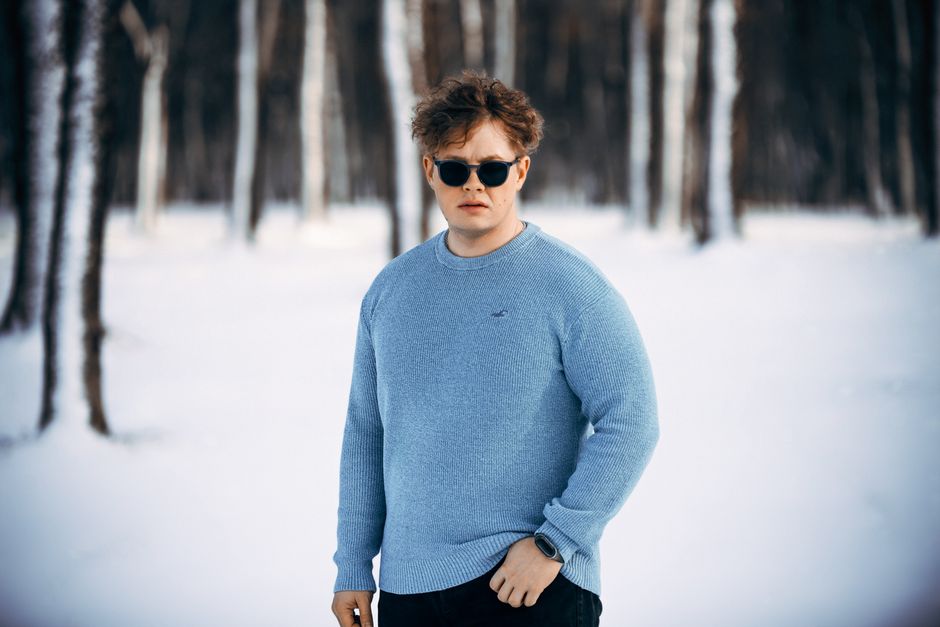
A turtleneck is not one garment category. A thin ribbed base layer, a smooth merino sweater, and a chunky fisherman knit create different silhouettes even when they share the same neckline. The first principle is simple: fabric thickness controls how much space the garment takes up, while fit controls where the eye stops.
Choose the neckline before the color
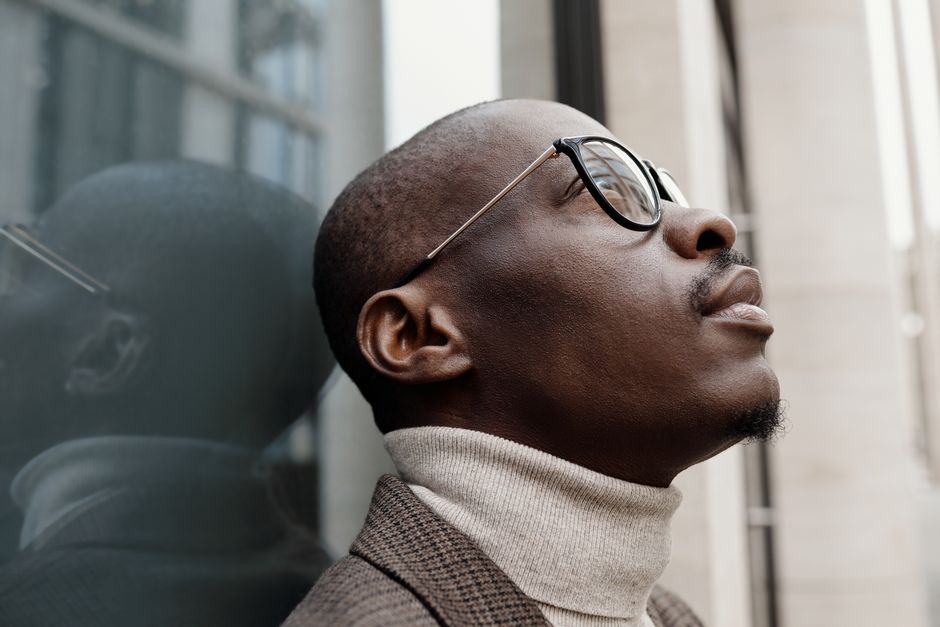
A close, smooth collar works best under a blazer, button-down shirt, or tailored coat. It should sit against the neck without compressing it. If the collar folds over, the fold should stay flat rather than bunching into a thick ring. Measure the neck opening and compare it with the garment measurement when shopping online; a small difference can decide whether the sweater feels polished or irritating.
A loose mock neck gives more room and usually looks easier with jeans or a casual coat. A tall, folded collar creates a stronger statement, so pair it with a quieter bottom half. If the neckline already has cable texture, ribbing, or a wide roll, avoid adding a large necklace. The fabric is already doing the visual work.
Match the body fit to the bottom half
Use a close fit on top when the trousers or skirt add width. A sweater that ends at the high hip works well with high-waisted wide-leg trousers because it shows the waistline and prevents the torso from disappearing. For a straight skirt or skinny jeans, a relaxed turtleneck can add balance, but check the hem. The sweater should either end near the hip bone or extend past the widest part of the seat; a hem that stops exactly at the widest point often looks accidental.
Fabric also changes warmth. Merino wool handles indoor-to-outdoor temperature shifts better than a dense synthetic knit, while cashmere feels soft but needs gentler care and can pill when rubbed by a coat strap. Cotton is comfortable indoors but offers less insulation when damp. Best fit rule: keep thin layers close to the body, medium knits lightly shaped, and bulky knits visibly oversized.
Five turtleneck layering mistakes and the exact fixes
Most bad turtleneck outfits fail because of excess fabric, weak contrast, or the wrong layer underneath. Fix the shape before adding accessories.
Mistakes that make the outfit look bulky
- Stacking thick layers at the neck. A chunky turtleneck under a thick scarf and a high-collared coat creates a crowded upper body. Remove the scarf or choose a coat with a lower opening.
- Hiding a long sweater under a short jacket. The uneven hem can make the torso look cut in half. Either tuck the front lightly, choose a jacket that reaches the hip, or let the sweater extend well below the jacket.
- Using a loose top with loose trousers and no waist point. This can work for a deliberately oversized look, but it needs one anchor. Add a structured bag, a short jacket, a belt, or a shoe with a defined shape.
- Ignoring sleeve length. Sleeves that end above the wrist make winter layers look unfinished. Look for a cuff that reaches the wrist bone and shows slightly beneath a blazer or coat.
- Adding too many competing textures. Cable knit, faux fur, patent leather, sequins, and a patterned scarf can fight for attention. Keep two strong textures and make the rest quiet.
When not to force the turtleneck
Skip a high neck when the weather is warm enough to make you sweat indoors, when the collar irritates your skin, or when the outfit already has a high neckline and heavy shoulder detail. A crew neck with a scarf, a mock neck, or a collared shirt can solve the same styling problem with less bulk. The goal is warmth around the neck, not loyalty to one garment.
Also skip a pale, fitted knit if the fabric is sheer under strong light or if the ribbing pulls across the chest. A slightly heavier opaque fabric often looks cleaner than sizing down to chase a close silhouette. The right garment should follow the body without creating horizontal stress lines.
How should you style a turtleneck for work, weekends, and evenings?
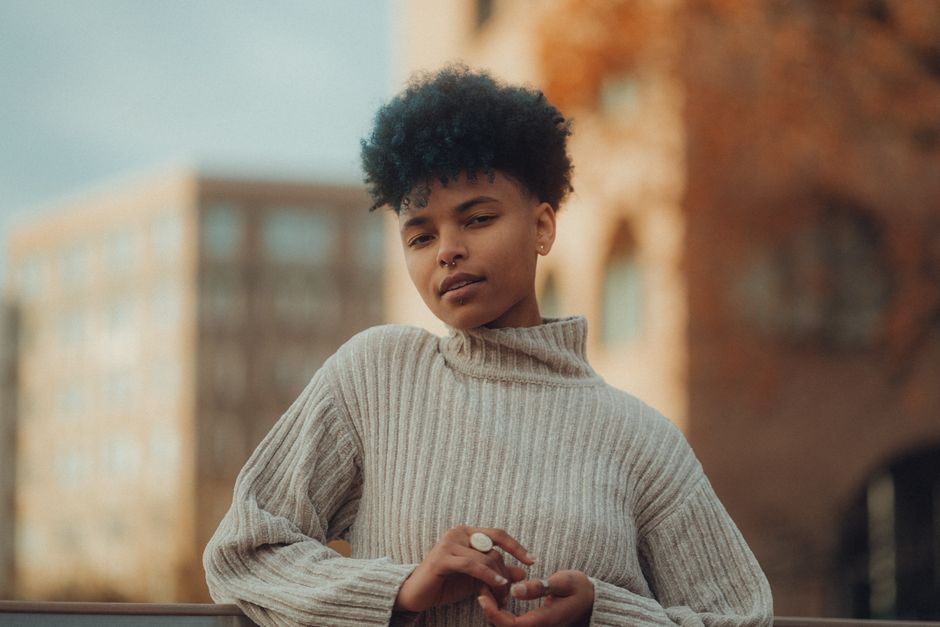
There is no need to rebuild the outfit for every setting. Change the structure, shoe, and finish while keeping the same base layer.
What should you wear with a turtleneck at work?
Choose a fine or medium-weight turtleneck with tailored trousers, a column skirt, or dark straight-leg denim if the office allows it. Add one structured layer, such as a blazer or wool coat. Black, navy, charcoal, cream, and dark brown are easier to repeat than a bright trend color. The clearest work outfit is a slim knit, high-waisted trousers, a belt, and loafers or pointed boots.
How do you make a turtleneck look casual?
Use contrast. Pair a fitted knit with relaxed jeans and sneakers, or wear a large knit with leggings and flat boots. Push the sleeves slightly up the forearm only if the fabric stays in place. A canvas tote, denim jacket, or simple watch keeps the outfit grounded. Avoid dressing every piece to the same level of formality; a polished turtleneck with worn-in jeans looks more natural than a fully coordinated matching set.
How do you style a turtleneck for dinner?
Let the bottom half carry the mood. A ribbed black turtleneck with a satin midi skirt looks sharp because the matte knit controls the shine. A fine cream knit with tailored trousers feels quieter and more modern. Add small metal earrings or a short pendant, then keep the coat open long enough to show the neckline. Verdict: for the widest range of occasions, a fitted neutral turtleneck is more useful than a dramatic oversized one because it can sit under almost every jacket.
Which turtleneck is worth buying for a winter capsule wardrobe?
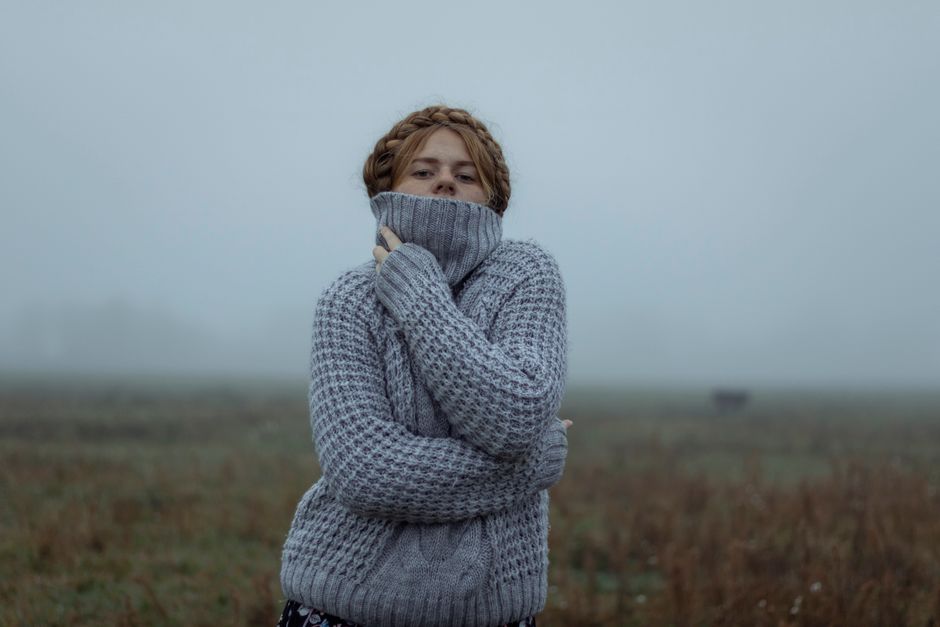
Buy based on the job the sweater must do, not the label on the neckline. A $50 base layer can outperform a $200 cashmere sweater if you need to wear it under a blazer five days a week. A premium knit earns its price only when the fit, fiber, care needs, and number of planned wears make sense.
| Example | Listed price seen in 2026 | Best use | Tradeoff |
|---|---|---|---|
| UNIQLO Extra Fine Merino Turtleneck Sweater | $49.90 | Frequent layering and office outfits | Thin knit may show wear sooner than a dense sweater |
| J.Crew Perfect Rib Turtleneck | $59.50 | Close-fitting base layer | Ribbed fabric can reveal pulling if the fit is too tight |
| Quince Mongolian Cashmere Turtleneck Sweater | $89.90 | Soft standalone sweater on a mid-range budget | Cashmere needs careful washing and storage |
| J.Crew Carolyn Turtleneck Sweater in Merino Wool | $118 | More substantial work-to-dinner knit | Higher price than a basic layering piece |
| Everlane The Boxy Turtleneck in Cashmere | $218 | Relaxed statement silhouette | Boxy shape needs narrow or tailored bottoms |
The best choice for most people
For a first purchase, choose the UNIQLO Extra Fine Merino Turtleneck Sweater or a similar fine merino style in black, navy, or cream. It has the widest styling range because it can sit beneath a blazer, tuck into a skirt, or layer under a shirt without adding much bulk. If softness matters more than easy care, the Quince Mongolian Cashmere Turtleneck Sweater is the stronger upgrade, but it should not be treated like a machine-wash base layer.
The budget check before buying
Use cost per wear rather than a sale percentage. A $60 sweater worn 20 times costs $3 per wear; a $218 sweater worn four times costs $54.50 per wear. If the purchase goes on a credit card, a balance at roughly 20% to 30% APR can erase a discount quickly, and late fees may add $25 to $40 depending on the issuer. This is not financial advice; it is a reminder to count the full cost of the outfit, including care and returns. Bottom Line: buy the fine merino turtleneck first, then add cashmere only when you have a clear use for its softer hand and looser silhouette.
The single most useful turtleneck outfit is a fitted neutral knit with wide-leg trousers or a midi skirt, because the contrast creates warmth, shape, and repeat wear without extra wardrobe clutter.