
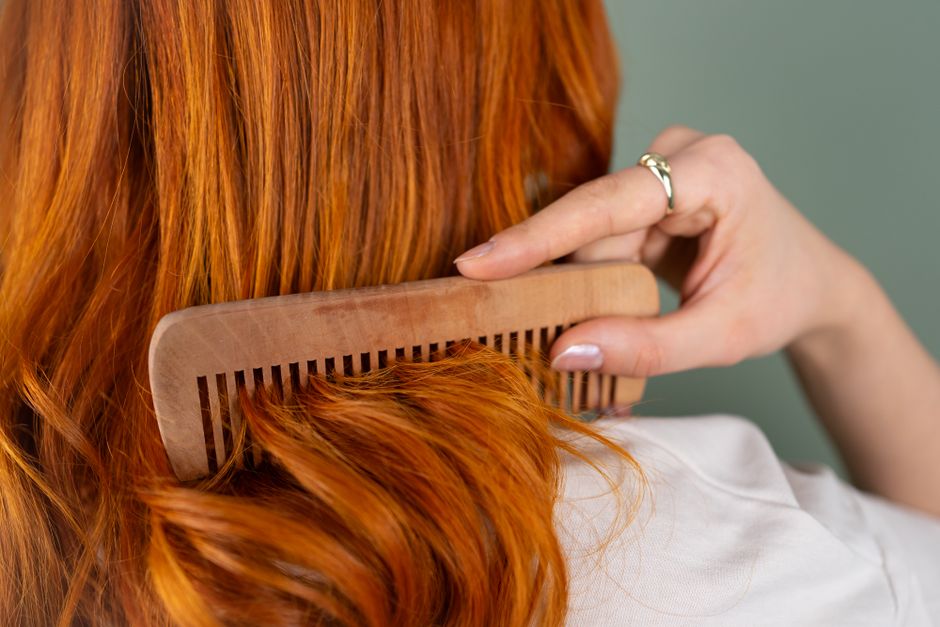
Your hair looks smooth when you leave home, then sticks to your coat, scarf, and face before you reach work. That is usually static, not frizz. The fix starts with lowering friction and adding controlled moisture, not with piling on heavy oil.
Static hair and frizz are not the same problem
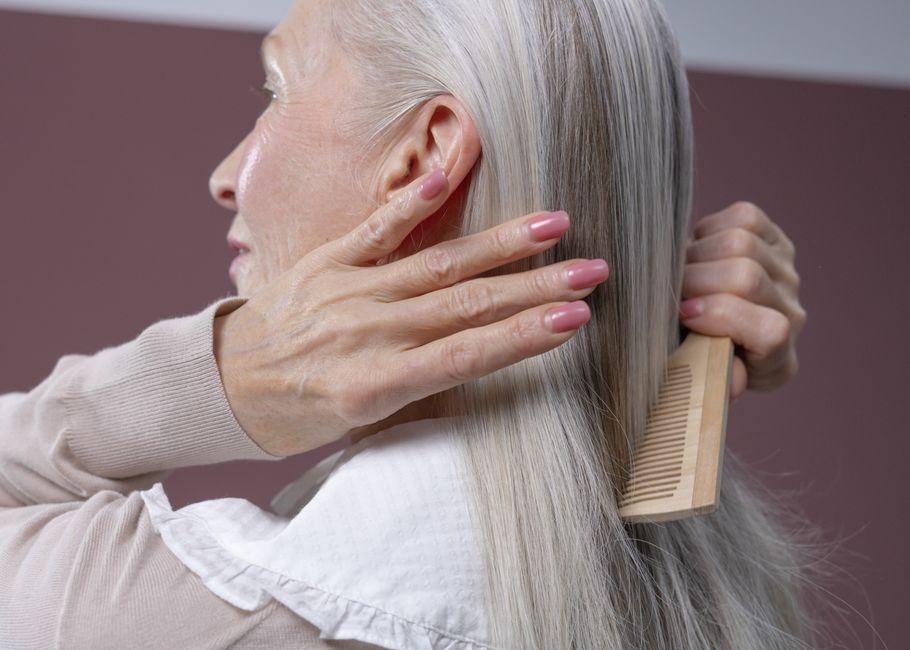
Static and frizz can look similar, but they need opposite weather conditions. Static prefers cold, dry air. Frizz usually gets worse when hair absorbs water from humid air. Choosing the wrong treatment can make the problem worse: a strong anti-frizz cream may flatten fine hair without stopping a charge, while a light anti-static spray may not control curls swollen by humidity.
| Sign | Static hair | Frizz |
|---|---|---|
| Typical weather | Cold, dry air; heated rooms | Rain, humidity, or damp air |
| What the strands do | Float apart and cling to clothing | Expand, bend, or form a fuzzy outer layer |
| Main trigger | Friction, low moisture, synthetic fabrics | Water entering the hair fibre |
| Best first fix | Light conditioning and less friction | Cuticle-sealing styling product and controlled drying |
| What to avoid | Repeated dry brushing and heavy powder | Rough towel drying and high humidity exposure |
Use the mirror test
If short strands rise from the crown and then stick to your sweater, you are seeing static. If the whole outline grows wider after a damp commute, you are seeing frizz. Some people have both, especially after color treatment, but identify the main symptom before buying another product.
Verdict: for winter flyaways that cling to clothes, choose a low-friction, lightly conditioning routine. Save rich anti-frizz creams for humid days when the hair is expanding rather than repelling itself.
How to stop static hair in five minutes
The fastest routine uses less product than most people expect. Start with the material touching your hair, then add a small amount of moisture only where the strands are lifting.
- Check the fabric. Remove the hat or scarf for a moment and see if the static drops. A silk or satin lining reduces direct rubbing. If you wear acrylic, smooth the hair with your hands instead of dragging a brush through it.
- Dampen your palms. Put a few drops of water on your hands, rub them together, and press lightly over the crown and sides. Do not wet the entire head. Fine hair can look greasy once too much water and product combine.
- Add one drop of conditioner or serum. Spread it between your palms first. Touch the mid-lengths and ends, then use the residue near the top. Avoid the scalp unless it is genuinely dry.
- Switch the tool. Use a wide-tooth comb or a natural-bristle brush for a final pass. Plastic tools can create more friction when the hair is already dry. Detangle from the ends upward instead of forcing knots from the roots down.
- Seal the ends. If the ends still lift, press them between your fingers with the remaining product. Do not keep brushing. Every extra pass adds friction and can restart the problem.
A room humidifier can help when indoor heating keeps the air extremely dry. Keep it clean and place it away from electronics. The goal is comfortable air, not a damp room that creates mold or makes styling harder.
Verdict: the best emergency fix is damp hands followed by a tiny amount of conditioner or serum. Spraying the whole head until it feels wet wastes product and often leaves fine hair flat.
Which anti-static hair products are worth using?
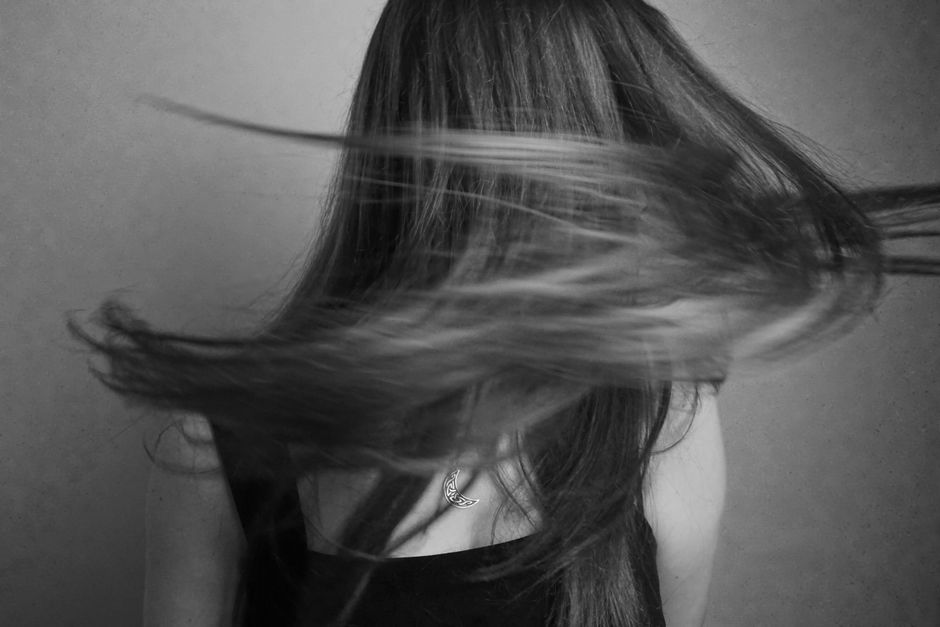
Products help when they reduce friction without coating the hair in a thick film. Pick one leave-in option, not three layers of oil, cream, and spray. The products below solve different moments in the routine, so the right choice depends on when the static appears.
| Product | Useful specification | Best use | Clear verdict |
|---|---|---|---|
| Living Proof No Frizz Instant De-Frizzer | 3.4 oz aerosol; spray from 6–10 inches on dry hair | Midday flyaways and dry lengths | Best portable fix for finished styles |
| Color Wow Dream Coat Supernatural Spray | 200 ml heat-activated leave-in treatment | Blow-dried hair before a dry winter day | Best for smoothing a full style, not a quick touch-up |
| ghd Glide Hot Brush | Heated ceramic brush designed to hold 365°F / 185°C | Large sections and surface smoothing | Best tool for straight or wavy hair that needs shape and polish |
| Lightweight silicone serum | Use one drop on medium-length hair; less for fine hair | Dry ends and rough bleached sections | Best budget approach when the issue is localized dryness |
Choose the simplest match
For static that appears after you put on a coat, the Living Proof No Frizz Instant De-Frizzer is the strongest pick because it is made for dry-hair finishing and gives application distance on the label. For a wash-day blowout, Color Wow Dream Coat Supernatural Spray makes more sense because its smoothing effect needs heat to activate. It is not a substitute for a quick dry-hair spray.
If you use heat often, the ghd Glide Hot Brush is a clear winner for straight and wavy hair because its stated 365°F setting gives a consistent temperature across a broad brush head. It will not replace heat protection, and it is the wrong buy for someone who wants to preserve tight curls.
Verdict: buy one product for the moment static appears. Choose the Living Proof spray for a handbag, Dream Coat for a heat-styled finish, and a tiny serum for dry ends. No product beats reducing friction at the source.
Common mistakes that make winter static worse
The most common error is chasing every flyaway with more brushing. That creates the same friction that lifted the hair in the first place. A calmer routine usually wins.
Over-washing and over-drying
Very hot water can strip surface oils, while a high-heat dryer can leave the cuticle rough. Wash the scalp as needed, but keep shampoo focused at the roots. Apply conditioner from the ears down and rinse with lukewarm water. Dry with a microfiber towel or a soft cotton T-shirt instead of twisting hair inside a rough bath towel.
Using too much oil
Oil can make strands feel smoother, but it does not add water to dry hair. Fine hair may look stringy while the static continues at the crown. Start with one drop, keep it on the ends, and stop if the hair separates into greasy-looking pieces. A light conditioner or leave-in mist is usually a better first choice.
- Do not rub a dryer sheet directly over the hair. Fragrance, coating agents, and residue can irritate the scalp or build up on the fibre.
- Do not use a hot brush on wet hair unless the tool is designed for wet use. Dampness can create more damage while you chase a smoother finish.
- Do not replace every hair tool at once. Test the hat, brush, and wash routine separately so you know what is causing the charge.
- Do not buy a heavy smoothing cream for fine hair just because the label says anti-frizz. Static needs light control more often than deep hold.
Verdict: avoid the products and habits that add residue or friction. If static starts suddenly with scalp itching, breakage, or unusual shedding, stop treating it as a styling problem and speak with a dermatologist.
Winter static hair questions, answered
Does brushing make static hair worse?
It can. Fast brushing with a plastic paddle creates friction, especially when the hair is dry and tangled. Detangle in small sections from the ends upward. A comb with smooth, widely spaced teeth is the safer first tool for fragile or bleached hair.
Should I use hairspray on static hair?
Use it only when you need hold. Hairspray can keep a style in place, but it does not solve the dry-air problem and may leave the hair stiff. For soft flyaways, a light conditioning spray or a tiny amount of serum gives a better finish.
When should I not buy an anti-static product?
Skip the purchase if the issue happens only with one hat or sweater. Change the lining or fabric first. Also skip a new product when your hair already feels coated, limp, or greasy. Clarify gently, condition the lengths, and test a lower-friction tool before adding another layer.
The most reliable winter setup is simple: smooth fabric near the hair, moderate indoor humidity, gentle detangling, and one light finishing product when needed. Static should become an occasional touch-up problem, not a reason to rebuild your entire hair routine.