
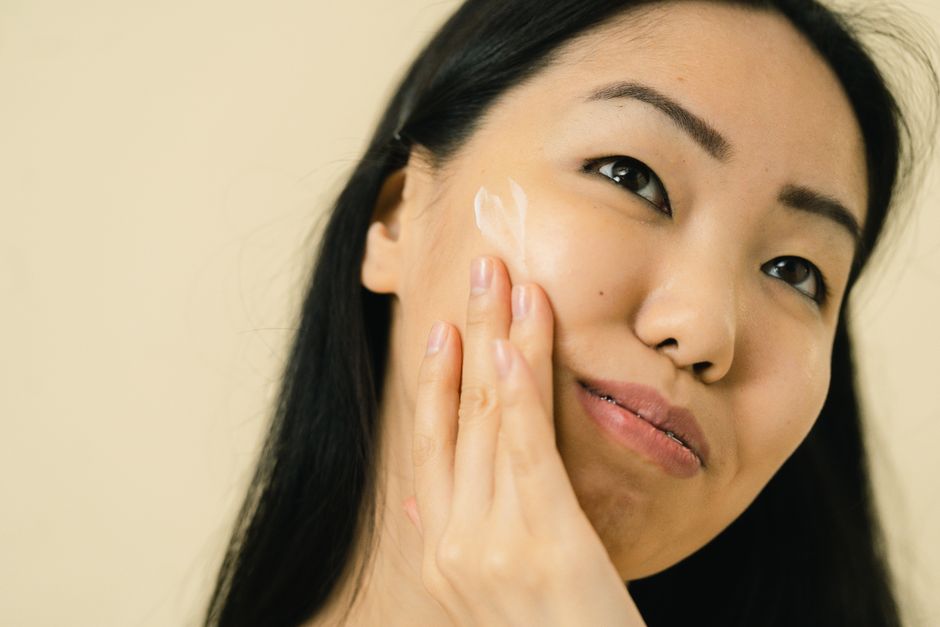
Does your skin look dull, tight, or flaky as soon as the temperature drops? The fix is usually not a stronger exfoliant or a shelf full of new serums. A simple moisture-first routine works better: cleanse gently, add water to the skin, seal it with a moisturizer, and protect the surface from winter air and ultraviolet light.
Glowing winter skin comes from a comfortable, well-supported skin barrier. You do not need a complicated 10-step routine. You need the right order, enough product, and fewer habits that strip away moisture. This 2026 guide explains the skin science, the exact routine, useful product options, common mistakes, and the situations where a rich cream is the wrong choice.
Why winter makes skin dry, dull, and tight
Winter skin problems begin with the environment. Cold outdoor air holds less moisture than warm air. Indoor heating lowers humidity even further. Wind also increases evaporation from the skin’s surface. Together, these conditions pull water away from the outermost layer of the skin, known as the stratum corneum.
That outer layer works like a brick wall. Skin cells act as the bricks, while ceramides, cholesterol, and fatty acids act as the mortar between them. When the mortar becomes thin or damaged, water escapes more quickly. Irritants enter more easily. The result can be tightness, rough patches, redness, stinging, and a gray or flat-looking complexion.
Hydration and moisture are not the same thing
Hydration means adding water to the skin. Ingredients such as glycerin, panthenol, and hyaluronic acid help attract and hold water near the surface. Moisture usually refers to the oils and emollients that soften rough skin. Occlusive ingredients such as petrolatum, dimethicone, and shea butter slow water loss by forming a protective layer.
A good winter routine needs both. A watery serum without a moisturizer can leave skin feeling tight again within an hour. A heavy balm on completely dry skin may soften the surface but will not add much water. The best sequence is damp skin first, then a cream or lotion that seals it in.
Glow comes from a smoother surface
Radiance is not always a sign of oil or a brightening ingredient. Light reflects more evenly from a smooth, flexible surface. When dry flakes interrupt that surface, the face looks dull even if pigmentation has not changed. Restoring comfort and reducing roughness can create a visible glow before you add any active treatment.
The first principle is simple: protect the barrier before chasing brightness. If a product burns, leaves persistent redness, or makes the skin peel, stop using it. A calm face will usually look more luminous than an irritated face covered with extra layers.
How to build a moisture-first winter routine

Keep the routine short enough to repeat every day. Consistency matters more than collecting products. Follow this order in the morning and evening, with one important difference: sunscreen belongs in the morning.
- Cleanse according to need. In the morning, rinse with lukewarm water or use a gentle cleanser if you wake up oily. At night, remove sunscreen and makeup with a mild, fragrance-free cleanser. Avoid hot water because it can increase tightness and redness.
- Apply hydration to slightly damp skin. After cleansing, pat the face until it is no longer dripping but still feels cool and moist. Apply a glycerin, panthenol, or hyaluronic acid product within a minute or two.
- Seal with moisturizer. Use a light lotion for combination or oily skin and a thicker cream for dry or wind-exposed skin. Press the product over the face instead of rubbing hard across flaky areas.
- Add sunscreen every morning. Use a broad-spectrum SPF 30 or higher. Snow, pale pavement, and winter travel can still expose the skin to ultraviolet light. Apply a generous layer to the face, ears, neck, and exposed upper chest.
- Protect the routine outside. A scarf, hat, and sunglasses reduce wind exposure. Keep the scarf clean because fabric that touches the face can carry oil, detergent residue, and makeup.
Use a simple amount guide
For moisturizer, start with about a nickel-sized amount for the face and add more for the neck. For sunscreen, use the two-finger amount for the face and neck, then reapply after prolonged outdoor exposure, sweating, or wiping your face. Small amounts often create the impression that a product does not work when the real problem is under-application.
Change one variable at a time
Do not introduce a new cleanser, serum, acid, retinoid, and cream during the same week. If your skin reacts, you will not know which product caused it. Start with cleanser, moisturizer, and sunscreen. Give that base routine at least one to two weeks before adding an active ingredient. This approach also makes winter dryness easier to diagnose.
My clear routine verdict: most people with winter tightness should spend their first month improving cleansing and moisturizing before adding a brightening acid. A calm, hydrated base gives every later product a fairer test.
What to do when winter skin still flakes
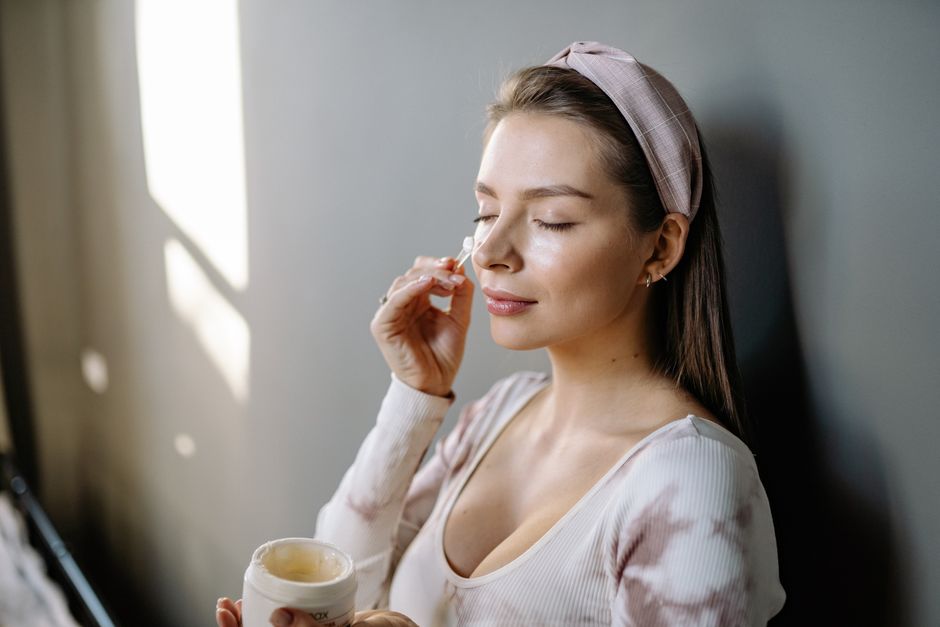
Stop adding stronger products first. Persistent flaking often means the routine is too harsh, too hot, or too frequent. More exfoliation can make a damaged barrier look smoother for one day and much worse for the next week.
Is your cleanser removing too much?
A cleanser that leaves your face squeaky, tight, or hot is a poor winter match. Clean skin should feel comfortable after rinsing, not stripped. Switch to a low-foam or cream cleanser, use lukewarm water, and limit cleansing to the evening if your skin is dry and you did not wear sunscreen or makeup during the day.
Are you exfoliating over dry skin?
Pause scrubs, glycolic acid, salicylic acid, and peeling masks when the skin is stinging or visibly cracked. A rough patch is not always dead skin that needs to be removed. It may be a damaged surface that needs time and lipids. Once the skin feels calm for at least a week, reintroduce one exfoliant no more than once weekly if you truly need it.
Are you applying products in the wrong conditions?
Apply moisturizer soon after washing while the skin still holds some water. If you wait until the face is completely dry and tight, the cream has less surface moisture to hold in. At night, place a thin layer of petrolatum over the driest areas if your skin tolerates it. Keep that final layer local rather than coating an acne-prone face by default.
If redness, itching, swelling, painful cracks, or a rash continues despite a gentle routine, see a dermatologist. Winter dryness can overlap with eczema, contact dermatitis, rosacea, or an allergy. Skincare products cannot diagnose those conditions.
Which winter skincare products should you skip?

Skip a rich cream if it causes congestion
A thick cream is not automatically better for winter. If you develop many small bumps, clogged pores, or a greasy film that lasts into the morning, reduce the amount or switch to a lighter lotion. Vanicream Daily Facial Moisturizer is a better choice than CeraVe Moisturizing Cream for someone with combination skin who needs comfort without a dense finish. Use the richer product only on dry cheek areas if that is where the problem occurs.
Skip extra serum layers when the base routine works
More layers create more chances for pilling, irritation, and wasted money. The Ordinary Hyaluronic Acid 2% + B5 is not necessary if your cleanser and moisturizer already prevent tightness. A working two-step evening routine beats a six-step routine that leaves skin tacky and uncomfortable.
Skip sunscreen that makes you avoid sunscreen
Beauty of Joseon Relief Sun: Rice + Niacinamide SPF50+ PA++++ is a strong pick for a hydrated, dewy finish, but it may feel too luminous for someone who wants a matte look. In that case, choose a sunscreen with a lighter or more natural finish rather than applying too little of a sunscreen you dislike. The correct amount matters more than a trendy texture.
Skip fragrance when your barrier is already irritated
Fragrance is not automatically harmful, but it adds another possible source of irritation. During a flare, choose fragrance-free products and avoid essential-oil blends. The La Roche-Posay Toleriane Double Repair Face Moisturizer and Vanicream Daily Facial Moisturizer are more sensible starting points than a scented cream with a long list of botanical extracts.
My final product verdict: for dry sensitive skin, choose La Roche-Posay Toleriane Double Repair as the main face moisturizer; for widespread dryness, choose CeraVe Moisturizing Cream; for combination or reactive skin, choose Vanicream; and for a dewy morning finish, choose Beauty of Joseon Relief Sun over a separate glow product. Do not buy all four. Start with one moisturizer and one sunscreen, then add only what solves a specific problem.
Return to the opening question when the temperature drops and your face looks dull. The answer is not to scrub harder or cover the skin with random layers. Cleanse gently, hydrate damp skin, seal it with the right moisturizer, and protect it outdoors. Once the barrier stops losing water so quickly, winter glow becomes a routine result instead of a temporary effect from a new product.