The best silk scarf hairstyles do two jobs at once: they make a simple hairstyle look finished, and they reduce the rough rubbing that can leave hair frizzy. The strongest starting point is a square scarf measuring about 21 to 27 inches, folded into a narrow band. That size gives you enough fabric to tie a secure knot without creating a bulky lump.
These six styles work on straight, wavy, curly, and coily hair. The key is matching the scarf fold to the hairstyle instead of tying the same knot every time. A loose ponytail needs grip. A braid needs length. A sleep-friendly wrap needs coverage and a flat finish.
Start with the folded headband for the most reliable everyday style
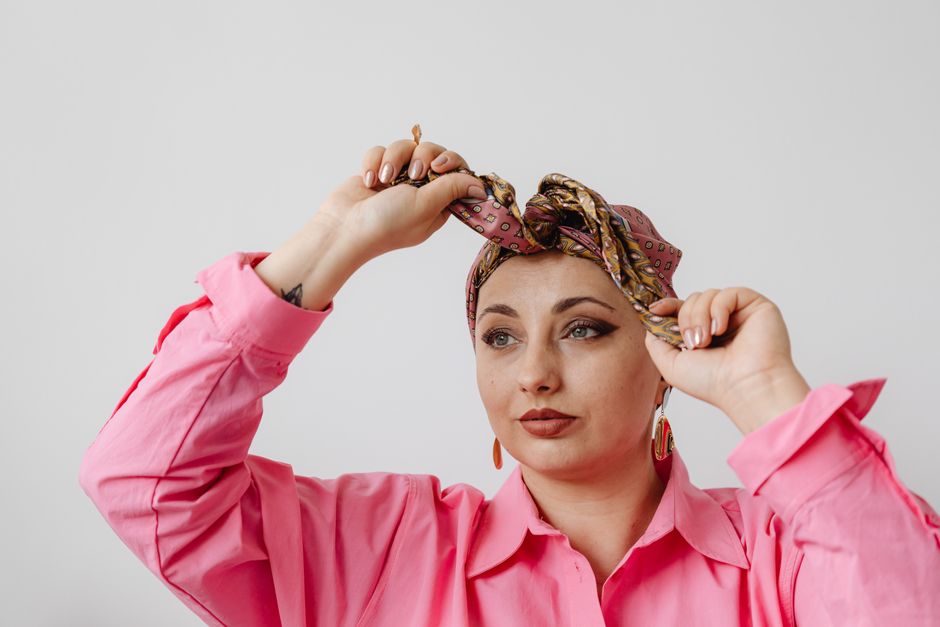
My top pick for beginners is the folded headband because it takes less than two minutes and does not require a perfect part. Fold the scarf into a strip between 2 and 3 inches wide, place the center at the nape of your neck, and bring both ends over the top of your head. Tie the ends near the crown or just behind one ear. The result looks intentional without demanding much styling skill.
How to make the band stay flat
Lay the scarf face down on a table. Fold two opposite corners toward the center, then keep folding from the long edge until the strip reaches your preferred width. For fine or slippery hair, make the band closer to 2 inches wide and tie a small double knot. For thick curls, use a 3-inch band so it does not disappear into the hair.
Place the scarf behind the hairline rather than directly on top of it. This gives the fabric a little friction and prevents it from sliding toward the back of the head. Leave two small sections of hair loose at the temples if you want a softer frame around the face.
Which scarf gives the cleanest result?
A lightweight square made from 100% mulberry silk works best for this style. The LilySilk 21-inch silk twill scarf is compact enough for a neat band, while the Quince Mongolian Cashmere and Silk Scarf, although warmer and thicker, creates a softer cold-weather look. For a luxury option, the Hermès Carré 90 measures about 35 inches square; fold it several times before tying because its extra fabric can overwhelm short hair.
For daily use, LilySilk is the practical winner. It gives enough surface area for a secure fold without the cost or bulk of a large luxury scarf.
A low ponytail is the best answer when you want polish without heat
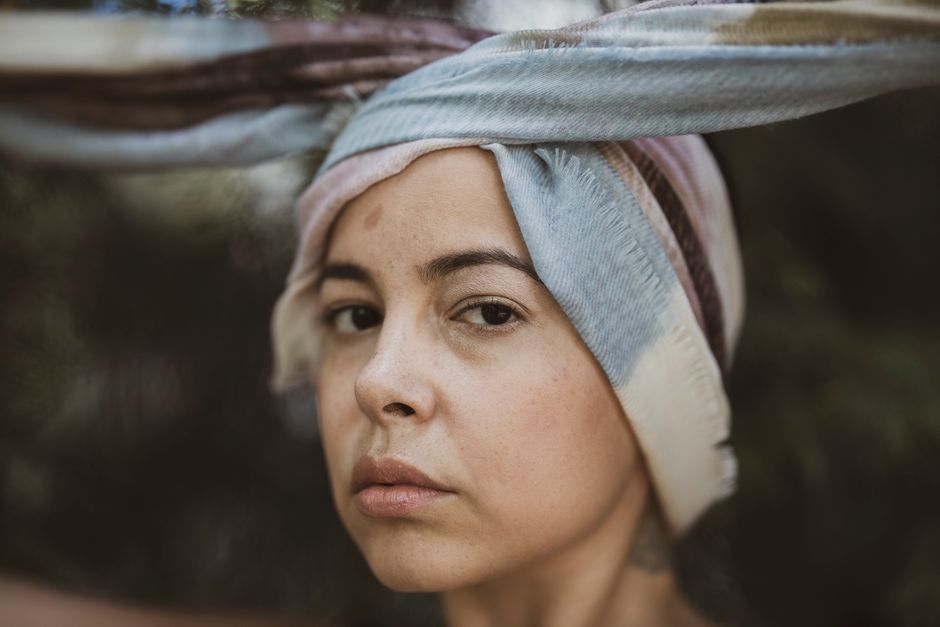
Choose the low ponytail if your hair looks flat, your ends need a break from heat, or you have five minutes before leaving the house. Smooth the hair with your hands, secure it at the nape with a snag-free elastic, and wrap the scarf around the elastic twice. Tie the ends underneath the ponytail so the knot stays hidden. This is the most useful style for work, travel, and second-day hair.
The verdict is simple: keep the ponytail low and the scarf narrow. A high ponytail pulls the scarf upward and makes the knot more likely to loosen. A broad scarf also adds weight, which can drag fine hair down within an hour.
Use a 21-inch square for a short ponytail and a 27-inch square for longer or thicker hair. If the scarf slips, wrap a small velvet scrunchie around the base first. The scrunchie creates friction while the silk remains visible on top. Avoid brushing the hair until it looks glass-smooth; a little natural texture helps the scarf grip.
Six scarf styles compared: choose the right one for your hair and day
Each scarf hairstyle solves a different problem. The table below gives a quick decision guide before you start tying.
| Style | Best scarf size | Time | Best use | Main risk |
|---|---|---|---|---|
| Folded headband | 21 to 27 inches square | 2 minutes | Loose hair and casual outfits | Sliding toward the nape |
| Low ponytail wrap | 21 to 27 inches square | 3 minutes | Work, errands, second-day hair | Heavy fabric pulling the ponytail |
| Scarf braid | 27 to 35 inches square | 5 minutes | Long hair and festival outfits | Short scarf ends |
| Top-knot wrap | 21 inches square | 3 minutes | Short or medium hair | Bulky knot at the crown |
| Half-up bow | 18 to 21 inches square | 2 minutes | Fine hair and soft styling | Bow losing its shape |
| Full hair wrap | 35 inches square | 7 minutes | Curly hair, sleep, and windy days | Too much tension at the edges |
What the scarf sizes actually change
A small scarf gives control but limits your options. An 18-inch square can make a bow or wrap a small ponytail, yet it will rarely cover a full head of thick hair. A 21-inch scarf is the most flexible size for everyday styling. A 27-inch scarf gives enough length for braids and longer ponytails. A 35-inch scarf provides coverage, but it needs more careful folding to avoid a bulky finish.
What the fabric weight changes
Light silk creates a soft drape and works well for bows, bands, and loose wraps. Heavier silk twill holds a sharper shape and resists wind better. Satin can look similar, but satin describes a weave rather than a fiber; polyester satin may slide more and can feel warmer against the scalp. My clear choice for a first scarf is a lightweight silk square between 21 and 27 inches.
Use a scarf braid when a ponytail feels too plain
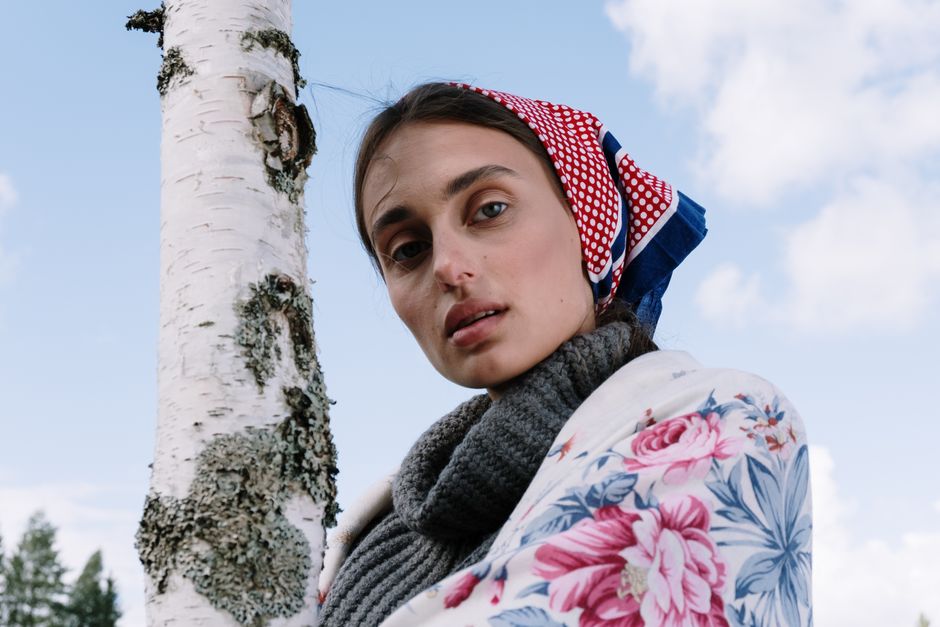
The scarf braid is the strongest choice for long hair because the fabric becomes part of the structure instead of sitting on top. Start with a low ponytail and divide it into two equal sections. Fold a 27-inch or larger scarf into a narrow strip, tuck its center under the elastic, and combine one scarf end with each hair section. Braid the three parts together, then tie the scarf ends around the bottom.
- Brush the hair gently and secure a low ponytail with a small elastic.
- Fold the scarf to about 1.5 inches wide.
- Slide the scarf under the elastic until both ends hang evenly.
- Split the ponytail into two hair sections and add one scarf end to each section.
- Braid with even tension, stopping at least 2 inches before the ends.
- Tie the scarf around the braid and pull the outer loops slightly wider.
Do not braid too tightly. The scarf adds weight, and extra tension can pull at the hairline. If your hair is shorter than shoulder length, use the same method on a half-up ponytail. A short scarf will not reach the bottom of a long braid, so do not force a small square into this style. The better alternative is a half-up bow.
The best visual balance comes from a plain outfit and one patterned scarf. A patterned blouse, patterned scarf, and large earrings can compete for attention. Let the braid provide the detail.
Choose the wrap only when coverage matters more than speed
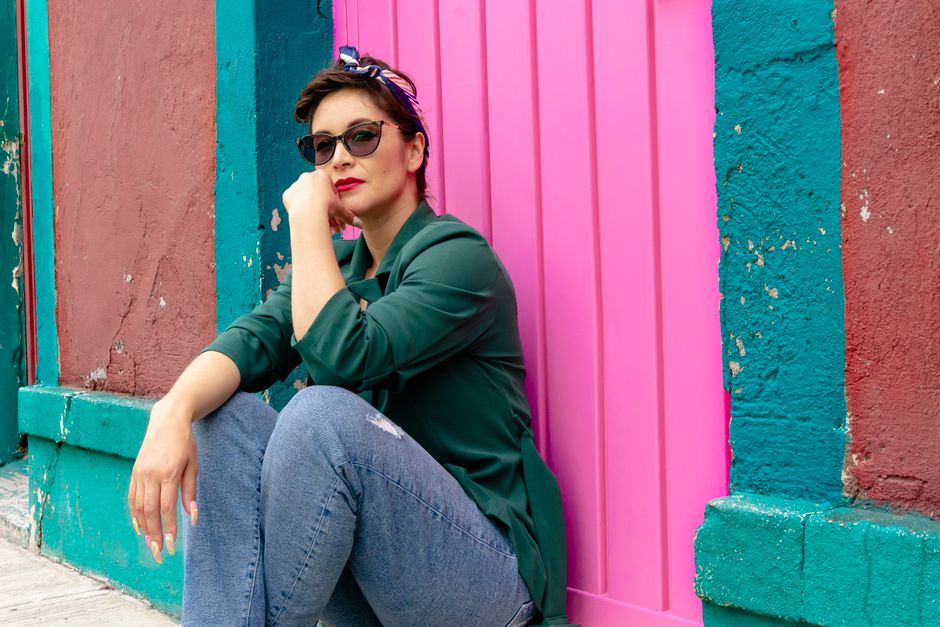
A full hair wrap is the best option for thick curls, protective overnight styling, or windy weather, but it is not the quickest of the six styles. Use a 35-inch square. Fold it into a triangle, place the long edge near the forehead, cross the two ends under the chin or at the nape, and tie them flat. Tuck the remaining point under the knot or leave it loose for a more relaxed shape.
For sleeping, keep the wrap comfortable enough to slide one finger under the front edge. Tightness does not create better protection. It creates pressure. A smooth silk pillowcase is the better alternative if you dislike head coverings or wake up with flattened roots. The Slip Pure Silk Sleep Mask is not a hair wrap and should not be treated as one, while the Slip Pure Silk Pillowcase is designed as a pillow covering; that distinction matters when choosing a nighttime option.
For daytime wear, a 35-inch square from Hermès gives the most structure, but its price and weight make it excessive for someone who only wants a quick ponytail accent. A 27-inch LilySilk square is the better value for most wardrobes. The wrap should feel secure, not tight, and the front edge should sit behind the hairline if you want to avoid flattening the roots.
One final legal-style clarification: no state laws are discussed because this is a hair-styling guide. This is not legal advice — consult a licensed attorney.
For the person standing in front of the mirror with an ordinary ponytail and two spare minutes, the folded headband remains the safest starting point. For longer hair, add the scarf to a braid. When the goal shifts from decoration to full coverage, choose the loose wrap and a larger square. The right style is the one that stays comfortable, stays put, and solves the hair problem you had before you tied it.